Global Japanese Sushi Rolls
Highlighted under: Latin American Food
I’ve always been fascinated by the art of sushi-making, and creating my own Global Japanese Sushi Rolls has been a delightful culinary adventure. The beauty of sushi lies not only in its presentation but also in the variety of flavors and ingredients that can be paired together. Today, I'm excited to share my favorite combinations, which blend traditional Japanese techniques with international influences, resulting in sushi that’s uniquely my own. This recipe invites you to play with textures and flavors, making it perfect for gatherings or a fun night in.
Every time I make sushi, I remember the first time I rolled it in my kitchen. I was amazed by how simple ingredients like rice, seaweed, and fresh fish could be transformed into something so artful and delicious. Experimenting with different fillings like avocado, spicy tuna, or even mango has allowed me to discover combinations that not only taste fantastic but are visually stunning as well.
One crucial tip I’ve learned is to ensure your rice is seasoned perfectly with vinegar and sugar before rolling. This not only enhances the flavor but also helps it stick together, making for a cleaner roll. Trust me; the right rice is key to achieving that delightful sushi texture!
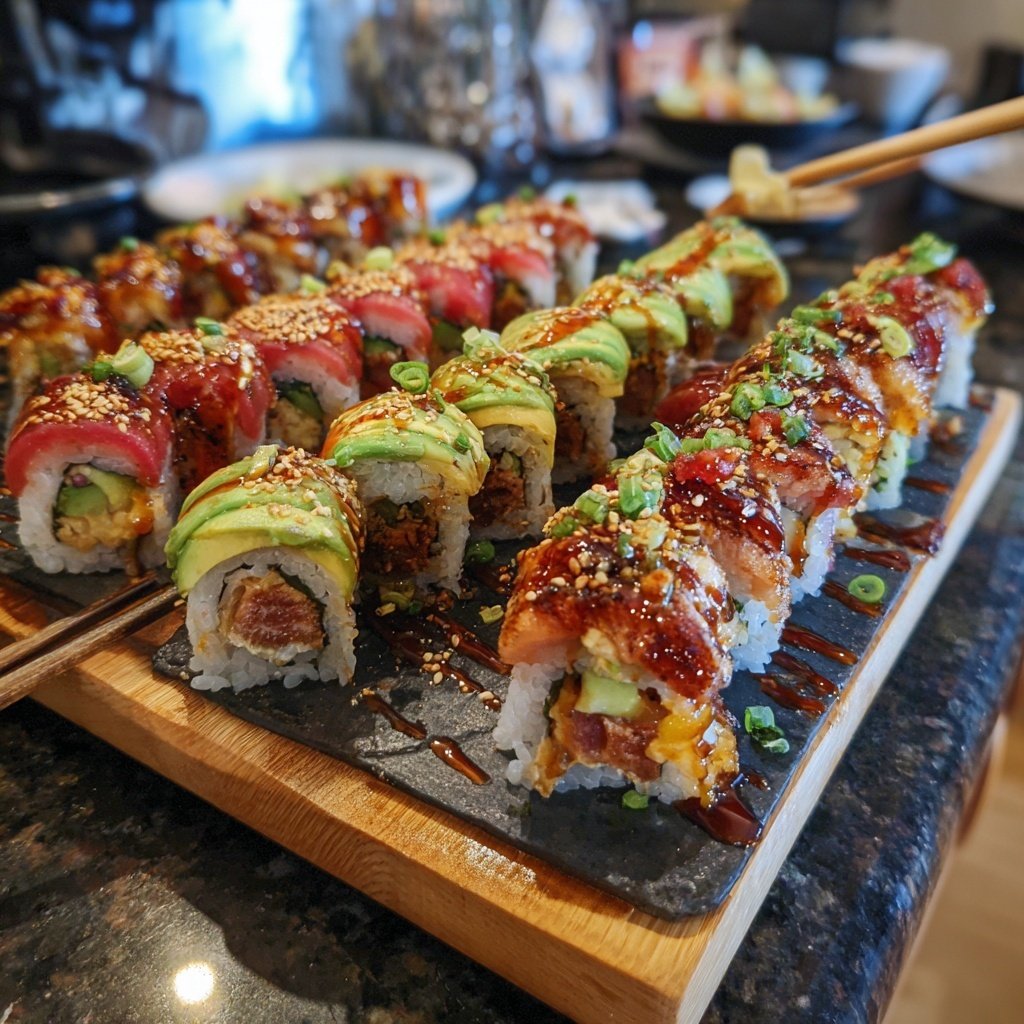
Why You'll Love These Sushi Rolls
- A fusion of flavors that will surprise and delight
- Fresh ingredients ensure vibrant and healthy bites
- Perfect for impressing guests or a cozy evening in
The Importance of Sushi Rice
Sushi rice is the foundation of any sushi roll, and getting it right is crucial for the structure and flavor of your rolls. Always choose high-quality sushi rice, as the stickiness is essential for holding the rolls together. When cooking, keep an eye on the water-to-rice ratio; too much water can lead to mushy rice, while too little can leave it undercooked. Once cooked, flavor the rice with the vinegar mixture until it's glossy and slightly sticky, which helps it adhere to the nori.
Cooling the sushi rice properly is an important step that shouldn't be overlooked. Fanning the rice while mixing in the vinegar not only cools it down quickly but also gives it a nice sheen. If you don’t have a fan, you can use a piece of cardboard or something similar to help the rice cool evenly. This process also enhances the flavor as the vinegar absorbs better into the rice when it’s not too hot.
Choosing Fillings Wisely
The beauty of sushi rolls lies in the fillings you choose, which can greatly impact both flavor and presentation. Freshness is key—opt for high-quality fish and ripe produce. If fresh salmon isn’t available, try substituting with cooked shrimp or smoked salmon for a different flavor profile. Avocado adds a creamy texture that balances the firmness of the sushi rice, while cucumber provides a refreshing crunch. Feel free to experiment with combinations that excite your palate and make sure to slice the ingredients uniformly for a consistent bite.
When arranging your fillings, think about color and texture. For instance, the vibrant yellow of mango complements the green avocado and pink salmon beautifully. This not only enhances visual appeal but also creates a balance of flavors—sweetness from the mango, richness from the avocado, and the umami from the salmon. Layer your fillings in the right order; heavier ingredients like salmon should go in the center for the best distribution of flavors as you roll.
Ingredients for Global Japanese Sushi Rolls
Sushi Rice Ingredients
- 2 cups sushi rice
- 2 1/2 cups water
- 1/4 cup rice vinegar
- 2 tablespoons sugar
- 1 teaspoon salt
Sushi Fillings
- 4 sheets nori (seaweed)
- 1/2 pound fresh salmon, sliced
- 1 avocado, sliced
- 1 cucumber, julienned
- 1 mango, sliced
- Soy sauce, for serving
- Pickled ginger, for serving
Feel free to mix and match your favorite fillings!
Instructions
Prepare the Sushi Rice
Rinse the sushi rice under cold water until the water runs clear. Combine the rinsed rice and water in a rice cooker and cook according to the manufacturer's instructions. Once cooked, transfer the rice to a bowl and mix in rice vinegar, sugar, and salt while fanning it to cool.
Assemble the Sushi Rolls
Place a bamboo sushi mat on a clean surface and lay a sheet of nori, shiny side down. Wet your hands to avoid sticking, then evenly spread a layer of sushi rice on the nori, leaving about an inch at the top.
Add the Fillings
Place your chosen fillings in a line at the bottom edge of the rice-covered nori. You can combine different fillings like salmon and avocado or try something sweet like mango.
Roll It Up
Using the mat, roll the sushi away from you, applying gentle pressure to shape the roll. Seal the edge of the nori with a little water to hold it together.
Slice and Serve
With a sharp knife, slice the roll into bite-sized pieces. Serve with soy sauce and pickled ginger on the side.
Enjoy your homemade sushi with friends or family!
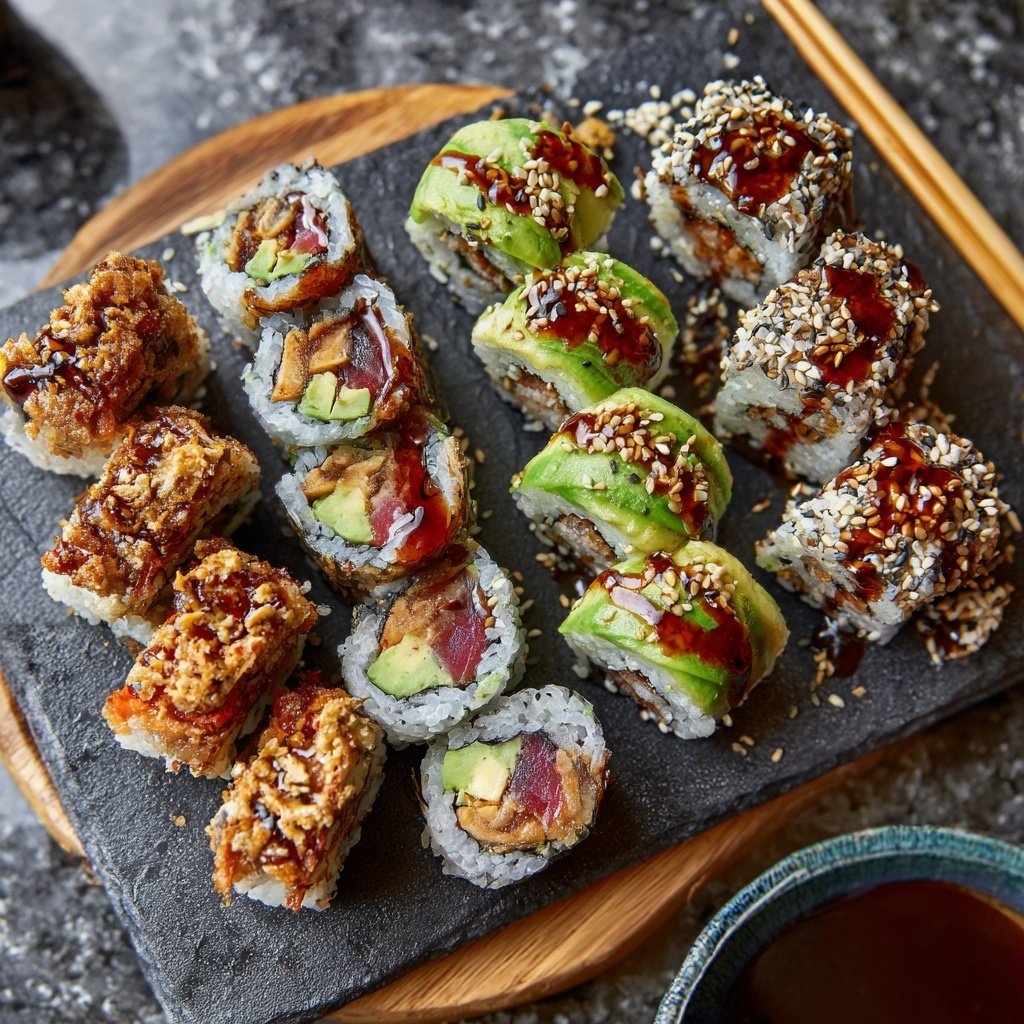
Pro Tips
- For the best results, make sure to use fresh, high-quality ingredients. Don’t hesitate to explore various fillings to create your signature rolls.
Rolling Techniques and Tips
Mastering the roll can take a bit of practice. Use a bamboo sushi mat to help you roll tightly without flattening the ingredients. Apply gentle pressure but be careful not to squeeze too hard, which can cause the fillings to spill out. If you find your nori is tearing, try lightly wetting it with a bit of water before spreading the rice; this can help to soften the edges and prevent breaks.
If you’re aiming for a specific presentation, consider rolling your sushi inside-out by placing the rice on the outside. This method makes the sushi visually stunning and allows for more creative topping options, like fish roe or sesame seeds. Just make sure your rice is well-sticked to the nori, and don’t be afraid to experiment with different rolling techniques as you gain confidence.
Serving and Enjoying Your Sushi
Presentation is key when serving sushi. Arrange your slices on a platter and garnish with pickled ginger and wasabi. For an added touch, drizzle a bit of soy sauce over the top or serve it in small dipping bowls. This not only elevates the dish but allows your guests to customize their flavor experience. Consider serving with a side of edamame or a simple seaweed salad to enhance the meal.
If you’re making sushi for a gathering, consider pre-prepping the rice and fillings. You can keep the ingredients separate until you’re ready to serve, allowing guests to customize their rolls. Fresh sushi is best enjoyed the same day, but if you have leftovers, store them in an airtight container in the fridge and consume them within a day for optimal freshness.
Questions About Recipes
→ Can I use brown rice instead of sushi rice?
Yes, but keep in mind that brown rice has a different texture and taste compared to traditional sushi rice.
→ What can I substitute for nori?
You can use soy paper or even lettuce wraps if you prefer a nori alternative.
→ How do I keep my sushi fresh?
Sushi is best enjoyed fresh. If you need to store it, keep it covered in the fridge and consume it within a day or two.
→ Can I make sushi vegetarian?
Absolutely! Use vegetables like bell peppers, carrots, or tofu for delicious vegetarian sushi options.
Global Japanese Sushi Rolls
Created by: The Chefgiannacooks Team
Recipe Type: Latin American Food
Skill Level: Intermediate
Final Quantity: 4 rolls
What You'll Need
Sushi Rice Ingredients
- 2 cups sushi rice
- 2 1/2 cups water
- 1/4 cup rice vinegar
- 2 tablespoons sugar
- 1 teaspoon salt
Sushi Fillings
- 4 sheets nori (seaweed)
- 1/2 pound fresh salmon, sliced
- 1 avocado, sliced
- 1 cucumber, julienned
- 1 mango, sliced
- Soy sauce, for serving
- Pickled ginger, for serving
How-To Steps
Rinse the sushi rice under cold water until the water runs clear. Combine the rinsed rice and water in a rice cooker and cook according to the manufacturer's instructions. Once cooked, transfer the rice to a bowl and mix in rice vinegar, sugar, and salt while fanning it to cool.
Place a bamboo sushi mat on a clean surface and lay a sheet of nori, shiny side down. Wet your hands to avoid sticking, then evenly spread a layer of sushi rice on the nori, leaving about an inch at the top.
Place your chosen fillings in a line at the bottom edge of the rice-covered nori. You can combine different fillings like salmon and avocado or try something sweet like mango.
Using the mat, roll the sushi away from you, applying gentle pressure to shape the roll. Seal the edge of the nori with a little water to hold it together.
With a sharp knife, slice the roll into bite-sized pieces. Serve with soy sauce and pickled ginger on the side.
Extra Tips
- For the best results, make sure to use fresh, high-quality ingredients. Don’t hesitate to explore various fillings to create your signature rolls.
Nutritional Breakdown (Per Serving)
- Calories: 250 kcal
- Total Fat: 7g
- Saturated Fat: 1g
- Cholesterol: 30mg
- Sodium: 350mg
- Total Carbohydrates: 45g
- Dietary Fiber: 2g
- Sugars: 3g
- Protein: 8g